International Code of Wizarding Secrecy
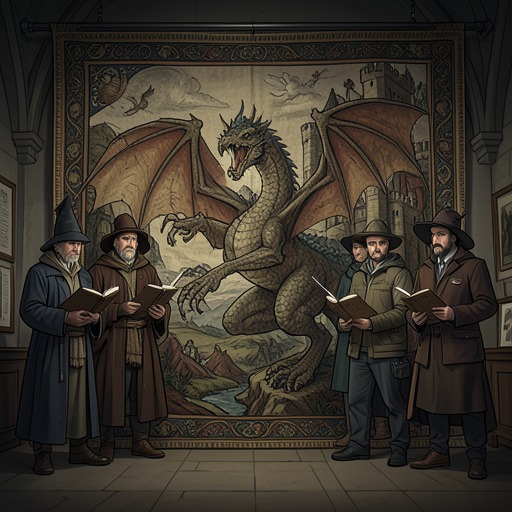
Fantastic Beasts and Where to Find ThemThe International Code of Wizarding Secrecy is the international legal framework for concealing magical life from Muggles, and Clause 73 makes that secrecy a continuing administrative responsibility rather than a single prohibition. Inserted in 1750, the clause assigns national wizarding governing bodies responsibility for the concealment, care, and control of magical beasts, beings, and spirits in their communities, with the International Confederation of Wizards empowered to discipline a government that fails in its duty.
Clause 73 and its jurisdiction
Clause 73 was inserted into the Code in 1750, and wizarding ministries worldwide conform to it. Its remit reaches beyond concealment: governing bodies must also care for and control the magical creatures within their territories. The rule thus links secrecy to domestic administration, making the management of creatures part of each ministry’s public obligation under an international standard.
The Code’s jurisdiction does not erase the political claims of the communities it regulates. Centaurs objected to sharing “being” status with creatures such as hags and vampires and declared that they would manage their own affairs separately from wizards; a year later, merpeople made the same request. The Ministry of Magic accepted these demands reluctantly. Their position exposes a tension within creature governance: international and ministry rules assign responsibility for magical populations, while some of those populations reject wizarding oversight and the classifications through which it is exercised.
Administration and practical enforcement
The Department for the Regulation and Control of Magical Creatures carries much of the practical burden of managing species that remain conspicuous to Muggles, whether deliberately or inadvertently. Its work includes protecting safe habitats, among them areas made unplottable in extreme cases such as the territory associated with the Quintaped. Trade in magical creatures is also subject to strict oversight, and the 1965 Ban on Experimental Breeding made the creation of new species illegal. These measures serve both creature management and the Code’s larger demand that magical life remain hidden.
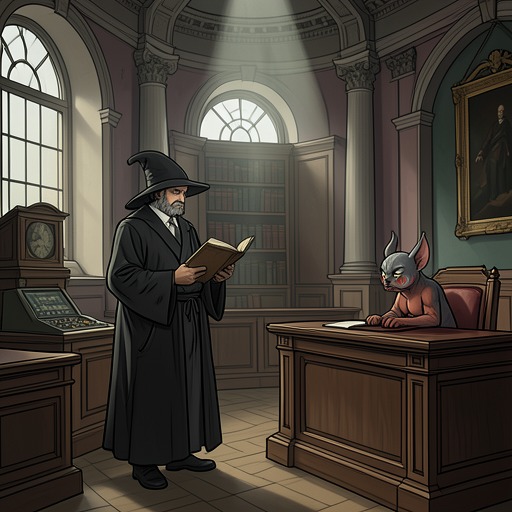
Enforcement also has a bureaucratic, sometimes punitive face. A Centaur Liaison Office exists within the Beast Division, but no centaur has ever used it. Within the Department, “being sent to the Centaur Office” has become an in-joke meaning that the person concerned is about to be fired. The office therefore stands less as an effective channel for centaur representation than as a sign of the distance between formal administrative provision and the community’s refusal to participate in it.
Breaches and secrecy measures
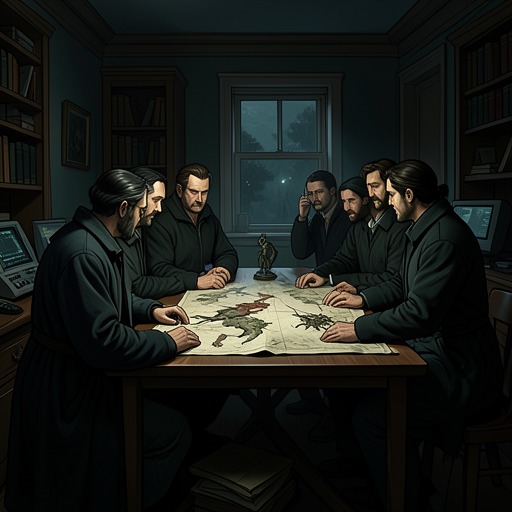
The book acknowledges occasional breaches of Clause 73. When a Muggle sees what should have remained hidden, Memory Charms may be used; if the situation requires it, the Ministry can send a team of trained Obliviators. For the worst magical-Muggle collisions, the Office of Misinformation becomes involved and may liaise directly with the Muggle prime minister to produce a plausible non-magical explanation.
The Loch Ness kelpie illustrates the effort involved in repairing a breach after evidence has circulated: the Office’s persistent attempts to persuade Muggles that photographic evidence of the creature is fake have helped salvage the situation. Taken together, these responses show the Code operating through several scales of intervention, from routine habitat protections and trade controls to memory alteration and official misinformation. Its central demand is concealment, but maintaining that boundary requires ongoing care, coercive authority, and explanations designed for the non-magical world.